الأحداث الرئيسية
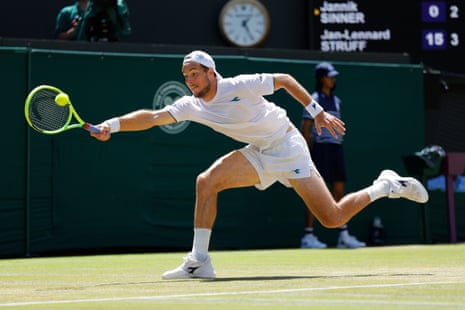
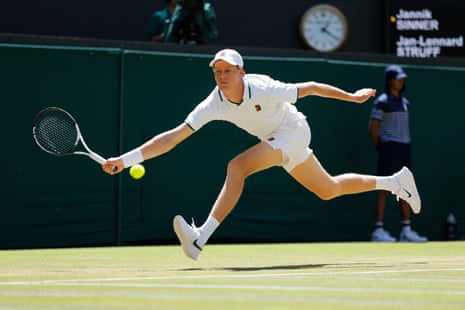
خدمة أولى أخرى، العودة التي تخطئ خط الأساس ببضع بوصات، وهذا يجب أن يكون مدمرًا لروح Struff، الذي يلعب كما هو مسموح له ويجعل المجموعات متقاربة، فقط لكي يفعل Sinner كل ما يحتاج إليه للفوز بها. كسر 7-4 يمنحه التقدم 7-5 و7-6، وهذا يبدو الآن وكأنه إجراء شكلي.
يسجل Struff ضربة خلفية ليمنح Sinner 3-1 والكسر المصغر. إنها 4-2 عند تغيير الطرفين، ويضرب البطل كل إرسال أول. يبذل Struff قصارى جهده للهجوم، لكن الدقة شديدة ولا يملك الأدوات اللازمة للرد، وسرعان ما خسر 5-2. ومع ذلك، فهو يقترب من 4-5، مما يعني أن Sinner تحت الضغط … وسرعان ما يتم تخفيفه من خلال فائز الإرسال الذي يمنحه 6-4 ونقطة الحسم.
يحمل Sinner 30 والمباراة هنا: إذا فاز بالكسر، فهذا جيد مثل النهاية؛ إذا فعل شتروف ذلك، فمن يدري؟
يحرز Gauff 40-30 ثم يسدد إرسالًا على الجانب الخارجي من T، وهذه مجموعة واحدة لكل منهما. يمكنها أن تلعب دوراً أفضل بكثير من هذا، وهو ما يمثل في جزء منه إدانة لشكلها وجزءاً مدحاً لعقليتها. لا أعتقد أن بيغولاس لديها الأدوات اللازمة للتغلب عليها اليوم، لكنني لن أدعمها ضد أي من أوساكا وموشوفا تصل إلى نصف النهائي.
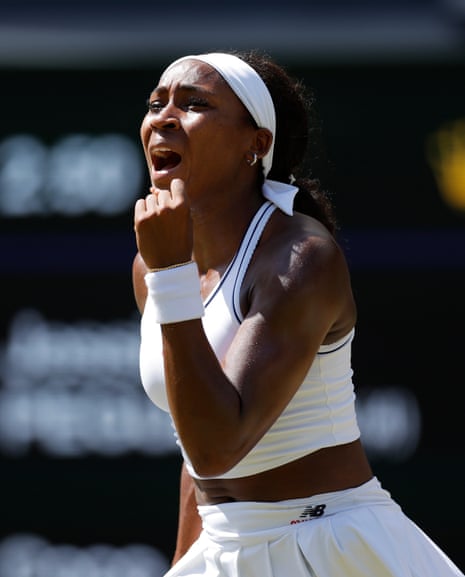
تتخلى عنها بيغولاس في الإرسال الأول ويتدخل جوف، غير قادر على الفوز بنقاط من العودة ولكنه يجهز المسيرات ويحقق 0-40. تتبعها ثنائية، وعند 4-6 و5-3، سترسل في المجموعة الثانية، بينما ستحافظ شتروف على تأخر سينر 5-7 و6-5.
يرسل Sinner طريقه للخروج من حالة الفوضى، حيث ساعدته ثلاث ضربات إرسال أولى كبيرة في الحصول على 7-5 و5-5. لست متأكدًا من أنه يلعب بشكل جيد بما يكفي للتغلب على ديوكوفيتش، منافسه المحتمل في نصف النهائي، لكن كل مباراة مختلفة وهو يفعل ما يكفي ليتصدر هذه المباراة.
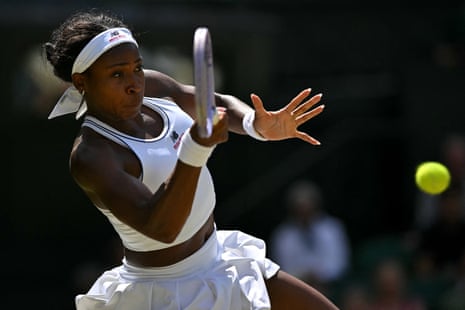
أعتقد أن بيجولا فضفاضة بشكل جيد وتلعب لعبتها الطبيعية؛ يعتمد Gauff على تحقيق عدد من الفائزين أكثر من الأخطاء. لقد وجدت نفسها متراجعة بنتيجة 0-30 تمامًا كما لعب Struff مجموعة رائعة من الضربات الأمامية لمدة 30-all ، ثم قام Sinner بضربة خلفية واسعة ويواجه الآن نقطة كسر. لقد تصدى لها بشكل جيد، على الرغم من إرساله الكبير بشكل جيد بما فيه الكفاية، في حين أن جوف يؤمن عقدًا صعبًا ليتأخر 4-6 و4-3.
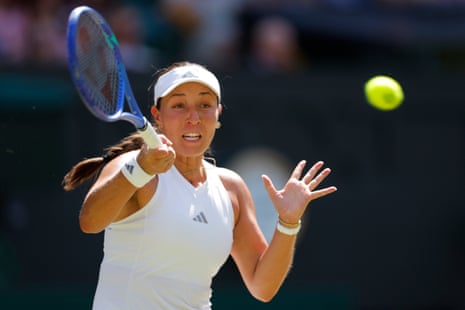
إمساك سريع لكل منهما بالرقم 1، مما يعني أن سينر يتقدم 7-5 و4-4، وهل يستطيع شتروف التعامل مع ضغط نهاية العمل هذه المرة؟ نسبة إرساله الأول تسير في الاتجاه الخاطئ، لكنه يحتاج فقط إلى تعليقين إضافيين لإجبار الكسر – على الأقل. أعتقد في الواقع أنه سيشكل تهديدًا إذا لعب في أواخر الثمانينات إلى منتصف التسعينات، وهو ما يناسب لاعبي الإرسال الطائر، لكن الأمر ليس بهذه السهولة الآن، حيث يتعين عليك القتال في طريقك، وعندما يتحول من 0-30 إلى 30-الكل، فإنك تقلق عليه. لذلك ليست مفاجأة كبيرة عندما يقوم شتروف يضرب لفترة طويلة – ولا، في الإنصاف، عندما ينقذ نقطة كسر الإرسال مع فائز الإرسال – ومن هناك، يغلق الكرة ليتقدم 5-7، 5-4، وهذا على عكس Sinner، الذي كنت أتوقع عادةً أن يجبر سيطرته على المنزل، لكنه لا يلعب بشكل جيد ولم يعد إلى المركز منذ فترة طويلة، وفي الوقت نفسه، تتقدم Pegula على Gauff 6-4 2-3.
ما زلنا في حالة إرسال عند 7-5 و2-3. آثم لكن شتروف حقق 15-30 وهل يمكن أن يكسر إرساله للمرة الثانية على التوالي؟ حسنًا، في عمر 40-30، يقوم بضربة أمامية هائلة عبر الملعب.. لذلك بالطبع يرد سينر بضربة ساحقة، ثم مرة أخرى عند إعادته إلى التعادل. من هناك، رغم ذلك، تقترب البطلة من التقدم 7-5، 3-3، بينما ترسل جوف التعادل بنتيجة 4-6، 1-1… ثم تضرب ضربة ساحقة، بسرعة 126 ميلاً في الساعة، وهي أسرع منافسة لها. وهذا يمنحها الأفضلية، فتتحول بالتركيز، وهو ما يتم القضاء عليه بأقصى قدر من التحيز. وتتقدم بيجولا 6-4 و1-2.
نعم، كان ذلك في دوار عام 1988. لقد استخدمت أنا أو أي شخص آخر كلمة “إيجي” لوصف الغضب؛ ماذا في ذلك؟ في هذه الأثناء، تواجه جوف مشكلة أكبر، حيث خسرت 15-40، وإذا خسرت إرسالها هنا، فهي في مشكلة كبيرة. لقد كانت محظوظة بفوزها على سولانا سييرا في الجولة الثانية، وفي تلك المباراة، وكذلك ضد ليو وبينسيتش، تمكنت بشكل أو بآخر من تخصيص طريقها نحو النصر – لقد كانت شخصيتها الجيدة وليس اللعب الجيد هي التي مكنتها من التأهل، لكنها نجحت في تحقيق التعادل، واستعادت كرة عالية ثم ضربت هدف الفوز لصالحها، ثم أغلقت الكرة الحيوية، وقد لاحظت بيجولا ذلك، على الرغم من تقدمها 6-4 و0-1.
ضربة أمامية مؤطرة ومضاعفة تمنح Struff نتيجة غير متوقعة 0-30، ثم عند 30 نقطة، يفشل Sinner في إبعاد الكرة التي كان ينبغي عليه فعلها، ويخطئ مع تقدم المسيرة. ثم، عند نقطة الكسر، قام بضربة أمامية بشكل زائد، وبطريقة ما، عاد شتروف إلى المجموعة الثانية والنتيجة 2-2. إن الخاطئ، وفقًا لمعاييره، متحمس جدًا لنفسه.
في عمر 15 عامًا، تقدم بيجولا إرسالًا ثانيًا فاترًا، لذا تهاجمها جوف، لكن عندما تلقي الكرة من فوق كتفها، يمكنها فقط إرسالها بعيدًا، ثم ضربة خلفية أسفل الخط تعني أنها وصلت إلى نقطة كسر الإرسال.ق. والمطلوب واحد فقط، ضربة أمامية سيئة للغاية تهبط في الشبكة، في منتصف الطريق، وتتقدم بيجولا 6-4.
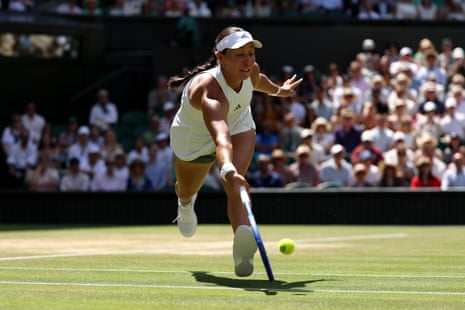
نسبة الإرسال الأول لـ Struff آخذة في الانخفاض – أخشى أن Sinner لديه مقياسه الآن. خطأان يمنحانه 15-30، ثم تكون الضربة الخلفية جيدة جدًا، ويحصل على نقطتين لكسر الإرسال، ثم تؤمن الضربة الأمامية الكسر. يتقدم سينر بنتيجة 7-5 2-1 وبالفعل، يبدو أن هذا قد انتهى؛ احتفظ جوف بنتيجة 4-5، مما أجبر بيجولا على إرسال المجموعة الأولى.
كل هذا الجهد وأعادت جوف استراحةها بطريقة مروضة – إنها تلعب هذا النوع من الألعاب في كثير من الأحيان، وهذا أحد الأسباب التي جعلتني متفاجئًا بعض الشيء بفوزها بالتخصصات عندما فعلت ذلك. بالطبع كنت أتوقع منها أن تفعل ذلك في النهاية، لكنني لم أعتقد أنها مستعدة، ولا مستعدة للفوز في باريس؛ تتماسك بيجولا وتتقدم 5-3 في الشوط الأول.
بتراجع 15-30، يجد شتروف هدف الفوز، لكنه يسدد بعد ذلك كرة، مما يسمح لها بالهبوط بعيدًا عن مستوى الشبكة. يتبع ذلك فائز الإرسال، حيث يلعب نقطة كسر الإرسال الثانية، وتسقط الكرة من جيب شتروف، لذلك يذهبون مرة أخرى – إذا حدث ذلك مرة ثانية، فهو يخسر النقطة – ولكن هذه المرة، من الجيد أن يذهب، فائز إرسال آخر يصنع التعادل، ومن هناك، يغلق الألماني. يتقدم سينر 7-5 0-1.
يضرب جوف الشريط وتتسلق الكرة ثم تسقط. 0-15. وعندما تذهب بيجولا بعيدًا في الضربة الخلفية، فهي فرصة لتحقيق شيء ما، من خلال العودة إلى الخط الذي يتطلب الكثير من حركات القدم، وبسرعة كبيرة جدًا، للعودة. وعندما تذهب بيجولا بعيدًا مرة أخرى، لدينا هذا الكسر الذي يمكن التنبؤ به، ونحبه، وقد عدنا للإرسال عند 3-3 في الشوط الأول.
يصل إلى 30-0، ويضرب الآثم على نطاق واسع؛ يتبع ذلك ضربة ساحقة على نطاق واسع، ثم يكتسح Struff ضربة خلفية واسعة، وهذا يختتم المجموعة الأولى 7-5، ضيقة حتى لم تكن كذلك. كانت هناك قطرة واحدة، وكان البطل هناك للاستفادة منها، وهذا درس في رياضة النخبة؛ هل يستطيع شتروف التعلم منه؟
في هذه الأثناء، تلعب بيجولا بشكل جيد، متقدمة 3-2 مع استراحة، ولكن كانت هناك علامات في قبضة جوف الأخيرة على أنها تستقر.
حسنًا، يحتفظ Sinner بالنتيجة 5-5، ثم يسدد ضربة أمامية وعودة؛ لا يستطيع شتروف الاقتراب من الأولى، ثم يسجل الثانية، وعند 0-30، يكون في ورطة – ويزداد الأمر سوءًا عندما تكون إرسالته الأولى طويلة. من المؤكد أن عودة Sinner كانت في محلها، حيث ضرب الرد الشباك، مما يعني حصول HR على ثلاث نقاط لكسر الإرسال. تتم مصادرة الأول عن طريق الآص … والثاني … ولكن بعد إلقاء نظرة على الإرسال الثاني الآخر، فإن الفائز بضربة أمامية من الداخل إلى الخارج يؤمن الكسر، ويعززه البطل عندما يحتاج إلى ذلك، وسيقوم الآن بإرسال المجموعة الأولى عند 6-5.
يا رجل، أثناء إرساله بنتيجة 4-4 و15 نقطة، يسدد شتروف ضربة بسيطة في الشبكة، وهو ما يعكس الضغط ويسببه في نفس الوقت. ولكن من هناك، ضمن قبضته بنتيجة 5-5، بينما تعزز بيجولا ليتقدم على جوف 2-0.
نحن بعيدون في المركز، وقد سجل جوف ضربة أمامية من أجل التعادل، ومن المؤكد أن بيجولا ستستهدف هذا الجناح – إذا اضطرت إلى ذلك، فإن الضربة الخلفية المحرزة تمنحها الأفضلية. وأخشى ألا يتفاجأ أحد عندما يعلم أن هناك مزدوجًا يتبع ذلك؛[Pegula leads 1-0, with a break.
Down 40-0, Struff makes room for a winner sent from corner to corner, then Sinner frames a forehand and misses a first serve; pressure. And when he goes long, again off the forehand, we move to deuce, the German floating a poor rally-ball backhand slice over the baseline, then a netted forehand hands over the hold for 4-4 – but Sinner is not yet settled.
Another love hold for Struff and suddenly, Sinner will be noticing a bit of scoreboard pressure, down 3-4 in the first. He's not yet made any kind of impression on return, nor hit many winners, both of which are surprising.
On Centre, Gauff and Pegula are out; Pegula wins the toss and has to think for a short while before deciding to receive.
Struff makes 0-15 and is well in the next point, until he swipes a forehand wide, then he again loses patience in a 19-stroke rally, wellying wide once more. A service-winner follows for 40-15 then, offered a second serve, Struff attacks, coming in to dispatch a fine volley, doubles hands to the fore. The more situations of that ilk he can generate, the better for him, and when Sinner spins a forehand long, to deuce we go … but not for long. The champ quickly serves out, and we're level at 3-3 in the fifth.
Now a love hold for Struff, who's started pretty well and leads 3-2 He looks confident, but he's not yet been put under pressure and I wonder if he can offer more testing returns. Even if he needs to stand back to give himself a better look at Sinner's serve, he has to try and dig into it rather than hope e can struggle to a tiebreaker.
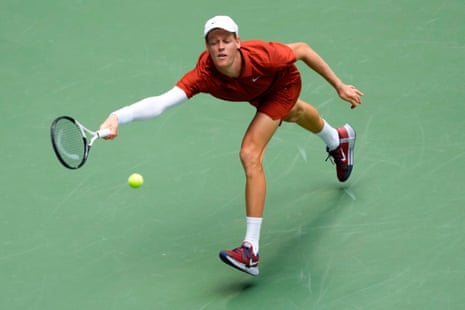
Nana Sinner appears to have been busy knitting Jannik's top; that, or Nike have rinsed him with gear yet again.
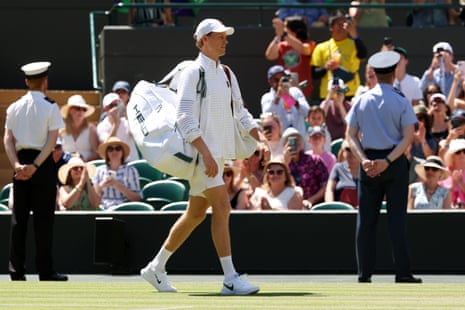
Here he is as Luigi.
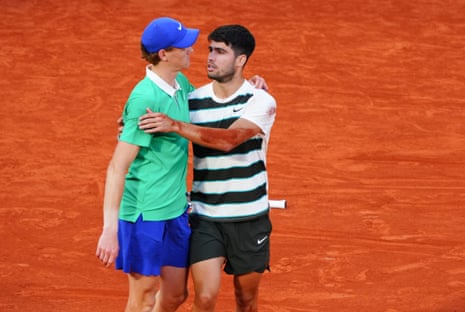
Taking advantage of the US Open dress code to rock a fetching shade of rust.
The famously complementary colours of olive, white and yellow.
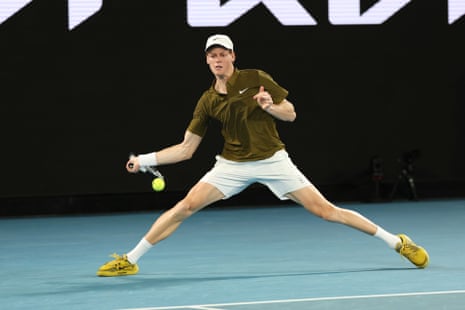
Anyroad up, Struff makes deuce from 40-0 – for all the good it does him. Sinner secures the hold in short order and we're level at 2-2 in the first.
At 30-0, Struff nails one down the T, then Sinner swipes an inside-out backhand wide and that's another comfy hold for the German; he leads 2-1, and they're still feeling each other out.
Er yeah, about that. Sinner holds to love for 1-1; Struff is playing the long game.
A 6â€6, 36-year-old man with socks pulled up and a baseball hat on backwards; has anyone got a number for The Hague? Meantime, Struff holds to 30 and will feel much better about life; I reckon he'll go at Sinner's serve, especially on second delivery.
Our players are almost ready. Sinner elected to receive, perhaps hoping that Struff, at 36 the oldest man in the open era to reach a first major quarter-final, is nervous. Play.
To our first match, and how does Struff get at Sinner? Well, the unpalatable truth is I'm not sure he does – if Sinner plays properly, this isn't a contest, whatever Struff does. But Sinner's hitting from the back, especially down the line – usually so consistent – has been a bit off lately, so perhaps, if Struff can't finish points early with his concussive forehand length, it might be worth seeing if he can incite the error by hitting balls deep and down the middle of the court.
More likely, though, I expect Struff to take the Stanimal approach and attack everything, hoping to hit a a seam. I also wonder if he'll try and drop-shots, looking to get Sinner tired but also to use his doubles-generated volleying advantage.
On BBC, they note that Gauff hasn't made a Wimbledon quarter until this year, though she made round three as a 16-year-old. Mainly, that's because grass doesn't suit her game as well as other surfaces – her serve isn't where it needs to be, and it's harder to hide her forehand than it is on clay, where theres more time to adjust feet.
Pegula, on the other hand, is a better-rounded player, but without the big weapons you need to win majors. Her returning, though. is good enough to give Gauff fits and the two, who used to play doubles together, are good mates, which adds a further dimension to this match. Bottom line: I don't think either are ready to win this title.
Also going on:
Preamble
Wotcha and welcome to Wimbledon 2026 – day nine!
Now we're getting serious. Two show courts, 10 players in form, and each of them tingling, contemplating the feeling of a lifetime.
We begin on No 1 Court with Jannik Sinner, one of only two players in either draw to have won this title before. But, after an astounding run earlier in the year, his body failed him at Roland Garros and he hasn't looked his usual impregnable self since.
Naturally, elite sport being the ruthless brute that it is, the other players have twigged; where once they knew they were done for, now they fancy it, and though Jan-Lennard Struff isn't the likeliest candidate to dethrone the champ, to get to this point he's beaten Sebástian Báez, Brandon Nakashima, Daniil Medvedev and Hubert Hurkacz. Or, in other words, he's in form and feeling himself.
Opening up on Centre half an hour later, we've got Jess Pegula – desperately chasing the maiden grand slam title but constantly crashing into her athletic ceiling – against Coco Gauff, taken to a deciding set in three of her four matches so far, but one of sport's great explorers; few are better at finding a way to win. If Pegula plays well, pulling it off isn't beyond her and, at 32, she's running out of time so, given the way the seeds have fallen, knows she'll never get a better shot. She'll tell herself to the contrary because how else can she go on, but in her heart she knows: her career is on the line here.
The match of the day, though, comes second on No 1, where Naomi Osaka, fresh from dispatching Aryna Sabalenka, now faces a very different challenge. Karolina Muchova – another chasing the debut major she's seen players of far less talent seize – blends touch, craft and power in a way that's ideal for grass courts. Can Osaka thrive against an opponent able to put her in uncomfortable positions and likely to haul her to the net? She's going to have to.
Second on Centre, an interlude: Alexander Zverev leads Jiri Lehecka by two sets to love, and the pair will return locked at 3-3 in the third to finish a match called off last evening. Most likely, the no 2 seed finishes the job in short order, but both players know that if his level drops, he's vulnerable.
Then, finally for today, we've Novak Djokovic – another pondering an opportunity he feared might never come, but in pursuit of the tricky 25th grand slam title that, so far, has eluded us all. Generally speaking, Felix Auger-Aliassime is exactly the kind of opponent he'd dismiss in that quest, a fine athelete unable to play well enough for long enough to beat the best in the biggest tournaments. But at 25, he might just be maturing into the player he promised to be and, if he can make it physical, he can make it happen.
Play: 1pm BST on No 1 Court, 1.30pm BST on Centre Court